
Walls You Can Feel: Limewash, Plaster, and Textured Paint
Material Portraits: Understanding the Character of Each Finish
Limewash: Mineral Calm with Subtle Movement
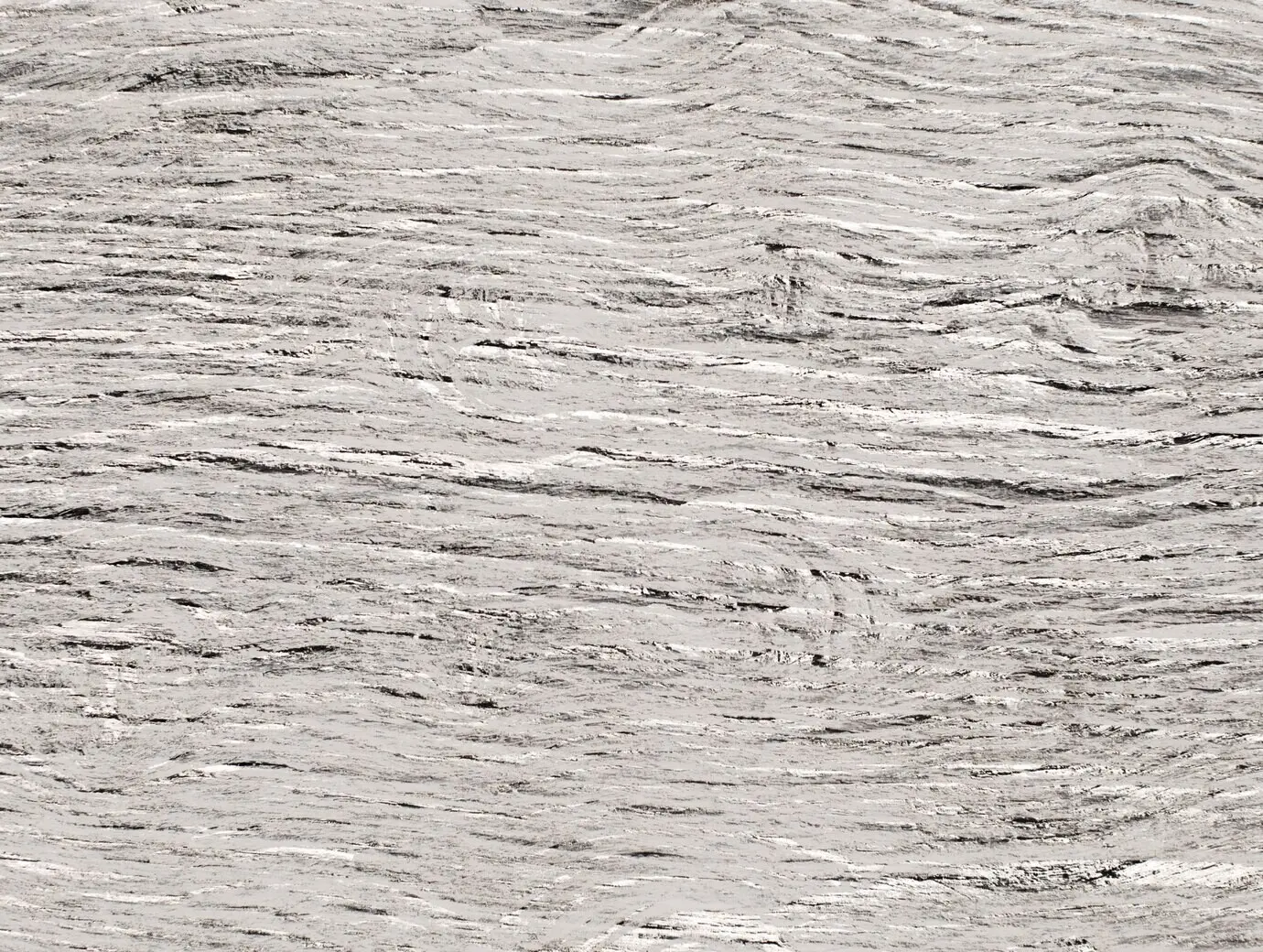
Made from slaked lime and natural pigments, limewash dries to a matte, mineral surface that gently mottles as layers overlap. It is vapor-permeable, helping walls breathe, which suits masonry and historic structures. Over sealed latex, a compatible mineral primer improves bond. Expect delicate variation, a soft hand, low sheen, and a subtly changing look across seasons and shifting daylight.
Plaster Finishes: Sculpted Light and Timeless Depth
From clay and gypsum to classic lime plaster, troweled finishes build micro-relief that bends light into quiet highlights and shadows. Venetian techniques can be burnished to a gentle sheen or left matte for rustic elegance. Substrate integrity matters: stable, flat bases reduce cracking. Layering thin, controlled passes unlocks depth, while attentive curing and occasional polishing amplify richness and durability.



Light, Shadow, and Movement Across Lived-In Walls
Surface Prep and Compatibility for Lasting Results


Brushes, Trowels, and Rollers That Truly Matter
A mineral brush with flagged bristles holds limewash and releases it smoothly, avoiding hard edges. Flexible, rounded trowels float plaster thinly without tearing. For textured paint, a high-quality roller with the correct nap distributes aggregate evenly. Keep tools clean between passes, lightly mist surfaces when required, and let the tool do the work rather than forcing material into submission.
Sample Boards, Mockups, and Honest Testing
Create generous sample boards under your project’s actual light. Test multiple dilutions, pigment loads, and stroke directions for limewash. Trial trowel pressures, angles, and burnish levels for plaster. Try different roller naps and additive ratios for textured paint. Live with samples for a day and night; only then commit to a plan that reflects your real environment.
Avoiding Common Pitfalls in Application
Rushing drying windows leads to muddy overlaps. Overloading a roller with textured paint creates heavy ridges that telegraph. Excessive burnishing can unevenly polish plaster. Keep a wet edge, map out working breaks, and control room conditions. Ventilate without drafts that flash-dry edges. Patience is visible in the final surface, where quiet transitions replace stress marks and hasty lines.
Color, Pigment, and the Poetry of Sheen






Care, Repair, and Living with Patina
Budget, Planning, and Knowing When to Call a Pro
Cost Ranges, Quantities, and Time Windows
Budget beyond the can: include primers, tools, sample boards, and protective coverings. Limewash often goes further per liter but may need multiple veils; plaster consumes time in thin, careful passes; textured paint needs consistent product batches. Allow drying windows that match your climate, and cushion the timeline for testing. Precision in planning saves stress, money, and surface integrity.
DIY Readiness and Skill-Building
Budget beyond the can: include primers, tools, sample boards, and protective coverings. Limewash often goes further per liter but may need multiple veils; plaster consumes time in thin, careful passes; textured paint needs consistent product batches. Allow drying windows that match your climate, and cushion the timeline for testing. Precision in planning saves stress, money, and surface integrity.
Share Your Project and Learn with Others
Budget beyond the can: include primers, tools, sample boards, and protective coverings. Limewash often goes further per liter but may need multiple veils; plaster consumes time in thin, careful passes; textured paint needs consistent product batches. Allow drying windows that match your climate, and cushion the timeline for testing. Precision in planning saves stress, money, and surface integrity.
All Rights Reserved.